
Multifamily Apartments
Stabilized apartment communities with many tenants on short leases, so income does not rest on any single occupant.
- Property typeResidential rental
- Typical structureLeveraged or all-cash
- Investor roleFully passive

For accredited investors
Find Your Next 1031 Investment Property
DST offerings change constantly as sponsors bring new properties to market and existing offerings close. Tell us where you are in your exchange and we will walk you through what is available now.
Asset classes available
GCA 1031 helps investors build diversified portfolios structured around their exchange requirements, spreading equity and debt replacement across property types, markets, and sponsors rather than a single asset.
We start with the property you are selling, your identification and closing dates, and the debt you need to replace. Those three things narrow the field before a single offering is opened.
Accredited status is confirmed before any offering materials are released. It is a short step and we tell you exactly what is needed, so nothing stalls while your clock is running.
You get our view, not a catalogue. Every offering is underwritten on the real estate itself, and we recommend how to build across property types, markets, and sponsors so your equity and debt replacement line up with what you are trying to accomplish.
“We were running out of time for identifying a property to complete our 1031 we were directed to GCA 1031 and Ashley Romiti. Ashley responded promptly with details on potential DSTs we could invest in. Can’t imagine how this could have gone any more smoothly in such a short window!”
Cris S.
“I have worked with Ashley Romiti in multiple 1031 exchanges and have found Ashley to be extremely professional and trustworthy. I have done 16 1031 exchange transactions with Ashley and would not use anyone else in the future. I have been in the Commercial Real Estate Business over 50 years and find Ashley Romiti to be one of the best Advisors that I have ever worked with.”
Dan M.
Testimonials reflect the experience of individual investors and may not be representative of the experience of other clients. They are not a guarantee of future performance or success. No compensation was paid for these statements.
The examples below show the kinds of real estate a 1031 exchange can be placed into, and what ownership of each typically looks like.
Stabilized apartment communities with many tenants on short leases, so income does not rest on any single occupant.

Distribution and warehouse facilities, usually leased to one or a few tenants on longer terms with scheduled rent increases.
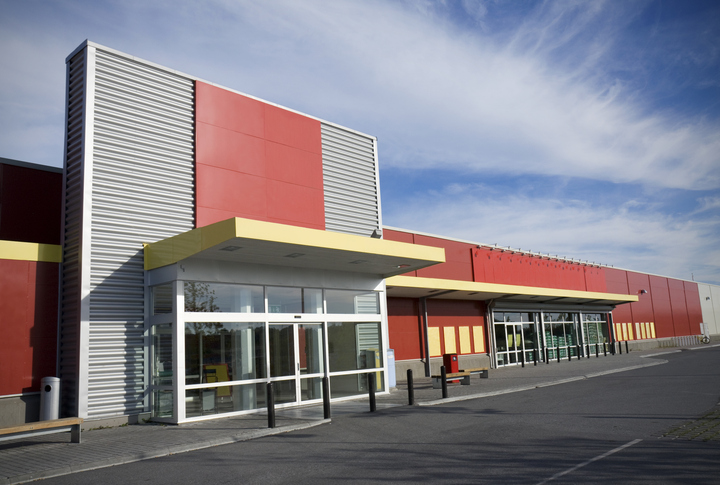
Single-tenant buildings on long net leases where the tenant carries most property expenses. Income depends heavily on that one tenant.

Outpatient and clinical buildings, often near hospital campuses, leased to practices that invest heavily in their space.
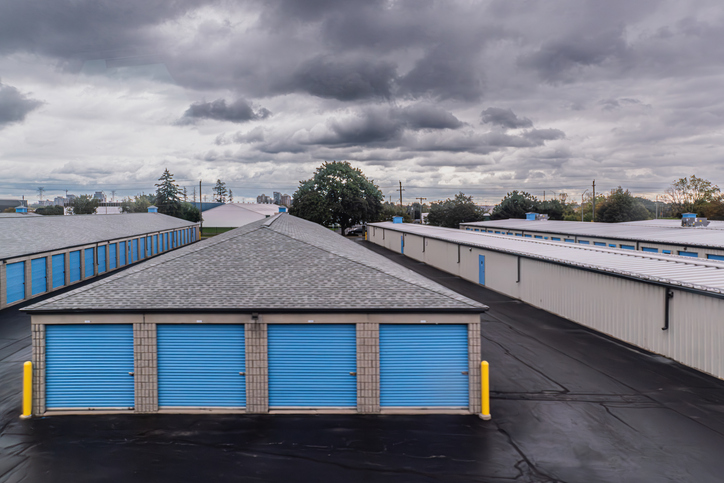
Storage facilities with many short-term customers, which allows rents to be adjusted often but leaves occupancy more variable.
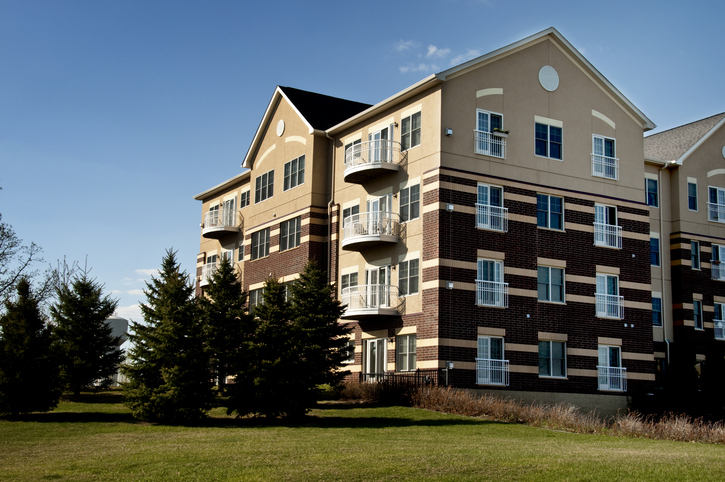
Independent living, assisted living and memory care communities. Results depend on occupancy and on the operator running the community well, so the operator matters as much as the building.
These are illustrations of property types, not an offer to sell or a solicitation to buy any security. No specific DST offering, sponsor, projected distribution, or performance figure is shown. Availability changes continually, and offering materials are provided only to verified accredited investors following a suitability discussion. All DST investments involve risk, including possible loss of principal, and distributions are not guaranteed. Please see the important disclosures at the bottom of this page.
The DST Investor Guide covers how DSTs work, how 1031 exchanges and 721 UPREITs fit together, and the mistakes investors most often make when selling long-held property. No accreditation required.